
How to Reduce Humidity in Your House | 7 Easy Fixes
If you have too much humidity in your house, the fix is usually simpler than you think, and it does not require dropping your thermostat to 68. The EPA recommends keeping indoor relative humidity between 30% and 50%, but most Florida homes sit well above that range without targeted intervention. Here are seven practical ways to bring moisture levels down, protect your home from mold damage, and actually feel comfortable at a higher thermostat setting.
Many Pinellas County homeowners assume their AC should handle all the humidity. It helps, but in a climate where outdoor humidity regularly exceeds 75%, your air conditioner alone often cannot get indoor levels below 60%. The strategies below work alongside your AC to close that gap.
Why Humidity in Your House Feels Worse in Pinellas County
St. Petersburg averages 74% outdoor relative humidity year-round, with summer months regularly pushing above 80%. That moisture constantly tries to enter your home through every gap, crack, and open door.
Florida homes face a unique challenge compared to homes in drier climates. The temperature difference between your cooled interior and the hot, humid exterior creates a strong vapor drive that pushes moisture through your building envelope. Concrete block construction, common across Pinellas County, can absorb and transfer this moisture directly into living spaces.
Even well-sealed homes in Clearwater, Largo, and Seminole deal with humidity spikes every time a door opens, laundry runs, or someone takes a shower. The goal is not to eliminate moisture entirely, but to keep it in a safe range.
What Indoor Humidity Level Should You Target?
The EPA recommends 30-50% relative humidity for health and comfort. Anything above 60% creates conditions where mold, dust mites, and bacteria thrive. Here is how different humidity levels affect your home:
| Indoor Humidity | Comfort Level | Health/Home Risk |
|---|---|---|
| Below 30% | Too dry, skin irritation | Cracked wood, static electricity |
| 30-50% | Ideal comfort zone | Minimal risk, EPA recommended |
| 50-60% | Slightly muggy | Dust mites increase |
| 60-70% | Noticeably uncomfortable | Mold growth begins, musty odors |
| Above 70% | Clammy, oppressive | Active mold, wood rot, structural damage |
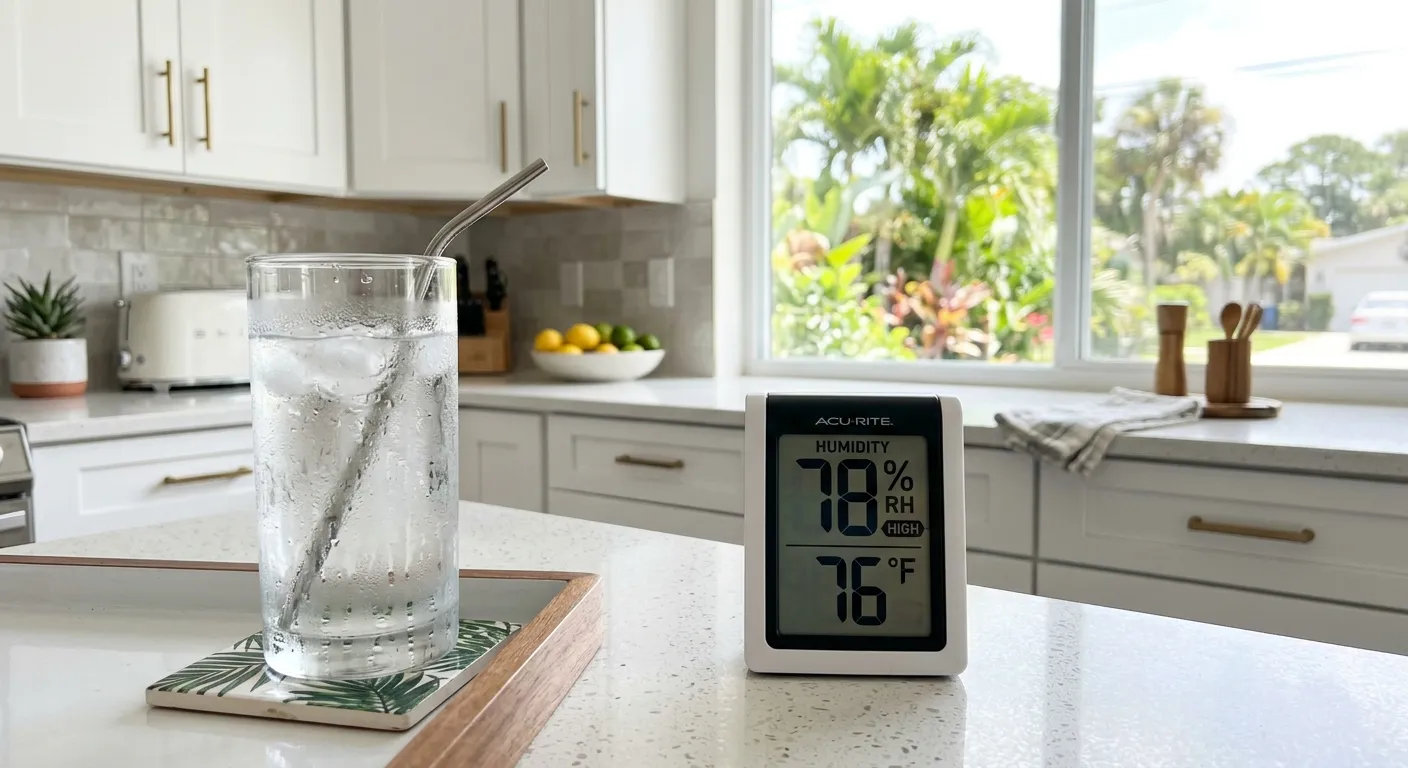
A $10-$20 digital hygrometer from any hardware store gives you an instant reading. Place it in the room that feels most humid and check it a few times throughout the day.
Signs Your Home Has a Humidity Problem
You do not always need a hygrometer to spot high humidity. These warning signs are common in Pinellas County homes:
- Condensation on windows, especially in the morning or when outdoor temps spike
- Musty or earthy smell in closets, bathrooms, or laundry areas
- Peeling paint or bubbling wallpaper, particularly in bathrooms and kitchens
- Warped or buckling wood floors that were not an issue before
- Visible mold spots on walls, ceilings, or grout lines
- Allergies that worsen indoors, including sneezing, congestion, and itchy eyes
- AC running constantly but the house still feels clammy and uncomfortable
- Foggy or sweating mirrors in rooms other than the bathroom
If you notice three or more of these signs, your indoor humidity is likely above 60%, and your AC system may need professional attention.
7 Ways to Reduce Humidity Without Lowering Your Thermostat
These seven methods range from free thermostat adjustments to affordable equipment upgrades. Start with the no-cost options and add equipment if needed.
Step 1: Use a Standalone Dehumidifier in Problem Areas
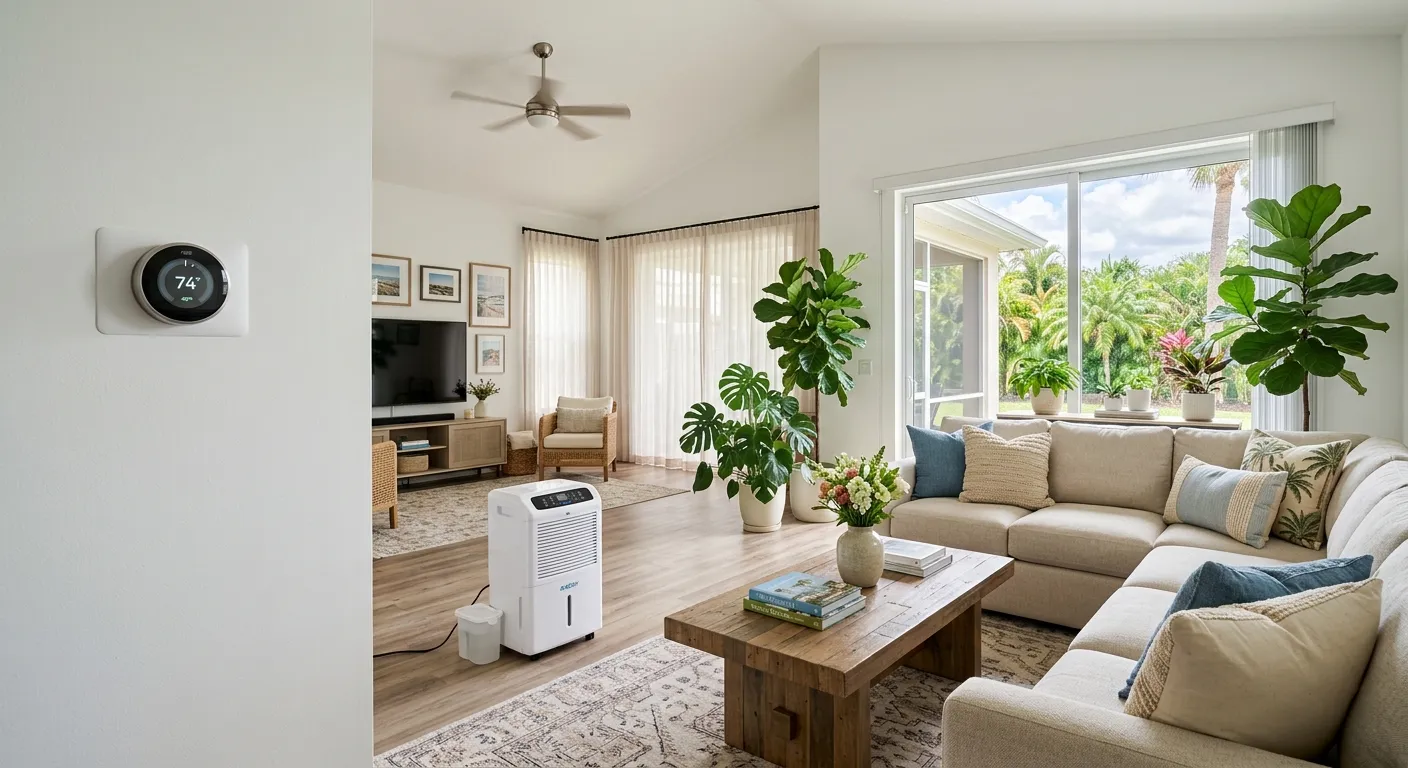
A standalone dehumidifier is the most direct way to pull excess moisture from your air. For a single room like a bedroom or finished garage, a 30-50 pint unit handles the job. For larger areas or whole-home coverage, look at 70-pint portable units or whole-home systems that tie into your ductwork.
Sizing guide for dehumidifiers:
| Room Size | Moderately Damp (50-60%) | Very Damp (60-70%) | Wet (70%+) |
|---|---|---|---|
| Up to 500 sq ft | 20-30 pint | 30-40 pint | 40-50 pint |
| 500-1,000 sq ft | 30-40 pint | 40-50 pint | 50-70 pint |
| 1,000-2,000 sq ft | 40-50 pint | 50-70 pint | 70+ pint or whole-home |
| 2,000+ sq ft | Whole-home recommended | Whole-home recommended | Whole-home recommended |
Portable dehumidifiers typically cost $150-$400. Place them in the dampest area, set the target to 45-50%, and empty the reservoir daily or connect a drain hose for continuous operation.
Step 2: Run Exhaust Fans During and After Cooking or Showering
Your kitchen and bathroom exhaust fans exist specifically to remove moisture at the source. Run the bathroom fan during every shower and for 15-20 minutes after. Run the kitchen vent while cooking anything that produces steam.
One critical detail many homeowners miss: verify your exhaust fans actually vent outdoors. In some older Pinellas County homes, bathroom fans vent into the attic instead of outside. This moves moisture from one problem area to another and can cause serious attic mold issues. Check the exterior of your home for the vent termination point.
Step 3: Check Your AC Drainage Line and Drip Pan
Your air conditioner removes humidity as part of the cooling process. Moisture condenses on the evaporator coil and drains through a condensate line. When that line clogs with algae, mold, or debris, the water backs up and your AC loses its ability to dehumidify effectively.
To clear the line yourself, pour a cup of distilled white vinegar into the access point (usually a PVC pipe near the indoor air handler) every 3 months. If water is pooling around your indoor unit or the drip pan is overflowing, the clog may need professional clearing.
A clogged condensate drain is one of the most common causes of excess humidity we see during routine AC maintenance visits in St. Petersburg and surrounding areas.
Struggling with Humidity in Your Home?
A clogged drain line or undersized AC system could be the culprit. Our NATE-certified technicians diagnose and fix humidity problems across Pinellas County.
Call Killian's Air Conditioning today: (727) 591-4776
Humidity Control Tips That Cost Nothing
The next four steps require no equipment purchases. These adjustments can drop your indoor humidity by several percentage points on their own.
Step 4: Fix Air Leaks Around Doors and Windows
Humid outdoor air infiltrates your home through gaps around doors, windows, and plumbing penetrations. In Florida, this is a major contributor to indoor moisture because the outdoor air carries so much water vapor.
Check these common leak points:
- Door weatherstripping at the bottom and sides of exterior doors
- Window seals, especially on older single-pane windows
- Plumbing and electrical penetrations where pipes or wires enter the house
- Dryer vent flap, which should seal when not in use
- Attic access panels that often lack any seal at all
A tube of silicone caulk ($5-$8) and adhesive weatherstripping ($10-$15) can seal most gaps in an afternoon. This reduces both humidity infiltration and cooling costs.
Step 5: Adjust Your AC Fan Setting to AUTO Instead of ON
This is the single fastest free fix for excess indoor humidity, and most homeowners do not realize it matters.
When your thermostat fan is set to ON, the blower runs continuously, even between cooling cycles. During those off-cycles, air blows across the wet evaporator coil and re-evaporates the condensation right back into your home. Your AC essentially undoes its own dehumidification work.
Switch the fan to AUTO. The blower stops between cooling cycles, allowing condensation to drain into the drip pan and out through the condensate line. You may notice a 5-10% drop in indoor humidity from this change alone.
Step 6: Improve Ventilation in Crawl Spaces and Attics
Most homes in St. Petersburg and Pinellas Park sit on concrete slabs, but some older properties have crawl spaces that trap moisture underneath the home. If your home has a crawl space, a 6-mil polyethylene vapor barrier on the ground prevents soil moisture from rising into your living areas.
For attics, proper soffit and ridge venting allows hot, humid air to escape rather than building up and radiating heat and moisture down through your ceiling. An attic temperature above 150 degrees in summer is common in Florida, and that heat drives humidity issues in the rooms below.
Step 7: Use Your Ceiling Fans Strategically
Ceiling fans do not remove humidity from the air. They create a wind-chill effect that makes you feel 3-4 degrees cooler through evaporation from your skin. This lets you raise your thermostat setting by 2-4 degrees while maintaining comfort.
Set ceiling fans to spin counter-clockwise in summer (pushing air downward). Only run them in occupied rooms, since they cool people, not rooms. This indirect approach saves energy and reduces how hard your AC works, which can improve its dehumidification efficiency during longer cooling cycles.
Dehumidifier Types Compared: Portable vs. Whole-Home
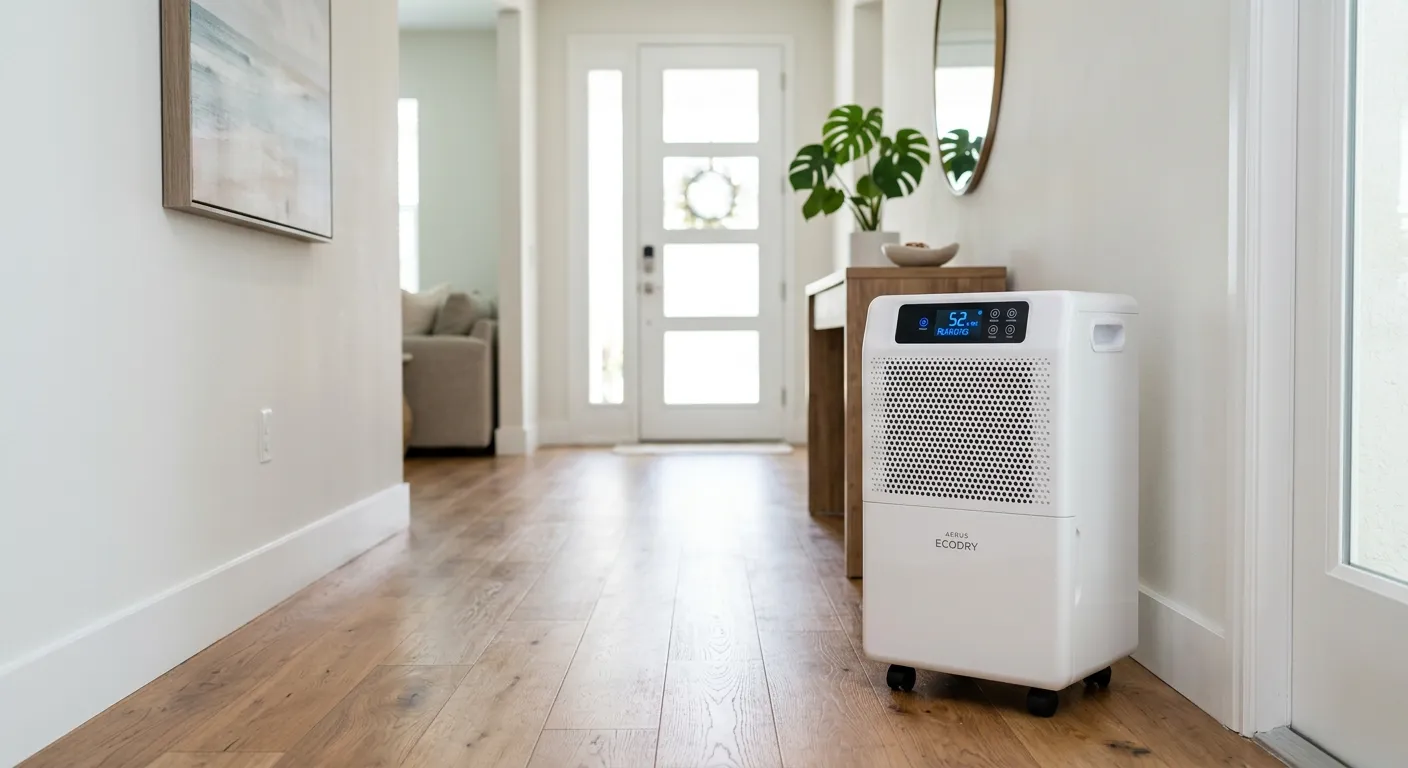
If steps 1-7 are not enough, or you want a hands-off solution, here is how the two main dehumidifier types compare:
| Feature | Portable Dehumidifier | Whole-Home Dehumidifier |
|---|---|---|
| Cost | $150-$400 | $1,200-$2,500 installed |
| Coverage | 1 room (500-1,500 sq ft) | Entire home (2,000+ sq ft) |
| Capacity | 30-70 pints/day | 70-130 pints/day |
| Installation | None, plug and play | Professional HVAC install |
| Maintenance | Empty tank daily or connect hose | Annual filter change |
| Noise | Moderate (45-55 dB) | Quiet (ducted away from living areas) |
| Energy use | 300-700 watts | 500-800 watts |
| Best for | Single problem rooms, renters | Florida homeowners, whole-home comfort |
For most Pinellas County homeowners dealing with persistent humidity, a whole-home dehumidifier installed in the ductwork delivers the best long-term results. It runs independently of your AC, so it controls humidity even during mild weather when your AC is not cycling often.
When Your AC Can't Handle Humidity Alone
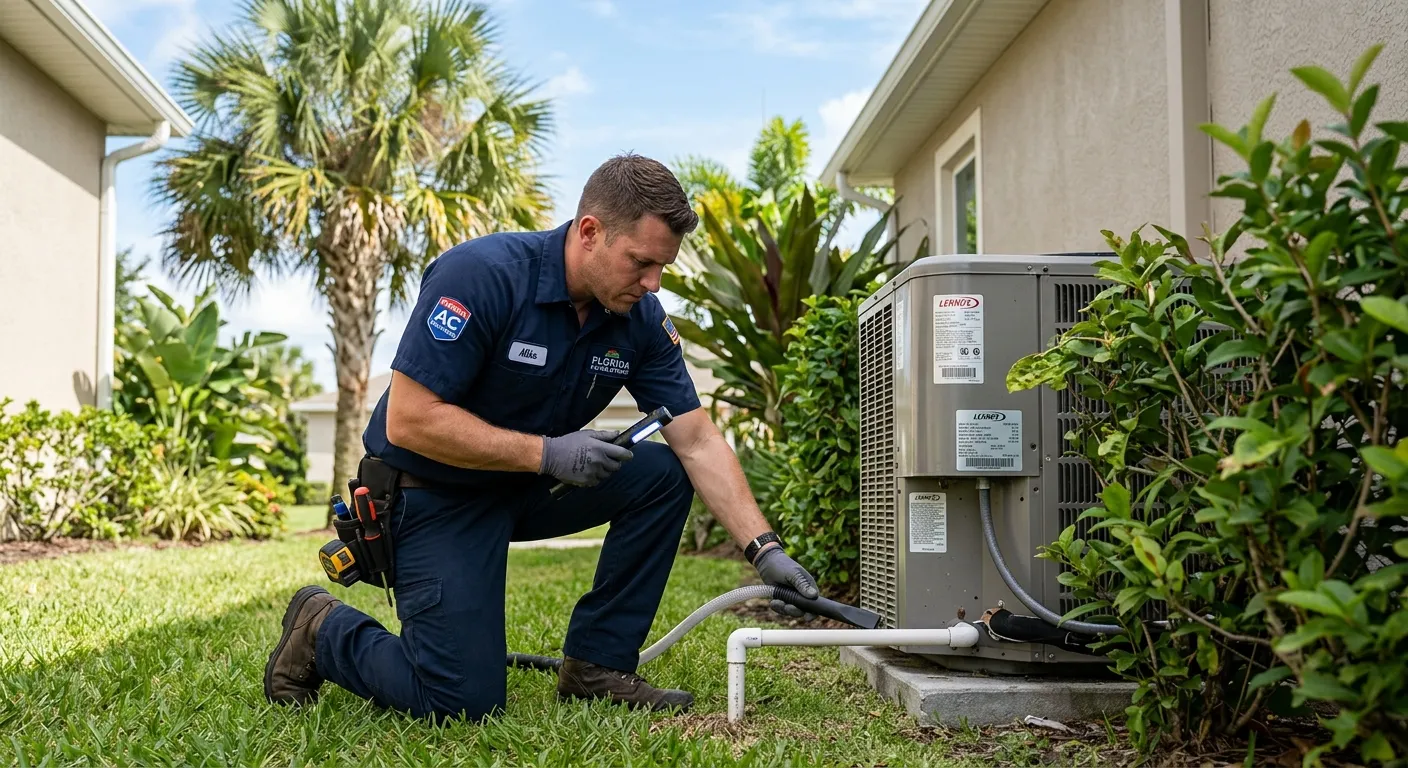
Sometimes the humidity problem traces back to the AC system itself. Here are the most common AC-related causes of high indoor humidity:
- Oversized AC unit: A system that is too large for your home cools the air quickly but shuts off before running long enough to remove moisture. This "short cycling" is one of the biggest humidity culprits in Florida homes.
- Old or worn equipment: AC systems lose dehumidification capacity as components wear. Refrigerant leaks, dirty coils, and failing compressors all reduce moisture removal. If you have noticed warning signs from your AC compressor, humidity problems often come along with them.
- Single-speed blower motors: Older systems run at full blast or not at all. Variable-speed and two-stage systems run longer at lower capacity, removing significantly more moisture per cycle.
- Low refrigerant charge: When refrigerant levels drop, the evaporator coil cannot get cold enough to condense moisture effectively. The air feels cool but still humid.
If your AC runs frequently but humidity stays above 55-60%, schedule a professional inspection. An HVAC technician can check refrigerant levels, coil condition, system sizing, and drainage to pinpoint the exact cause.
Frequently Asked Questions About Humidity in Your House
What humidity level is too high for a house?
Any indoor humidity above 60% is considered too high by the EPA and most HVAC professionals. At that level, mold spores begin actively growing on surfaces, dust mite populations explode, and wood components in your home start absorbing excess moisture. For Florida homes, targeting 45-50% provides a comfortable buffer that accounts for door openings and daily activities that temporarily spike humidity levels.
Does running the AC reduce humidity?
Your AC does remove moisture as a byproduct of cooling. When warm, humid air passes over the cold evaporator coil, water vapor condenses and drains away. However, in Florida's extreme humidity, most residential AC systems cannot bring indoor humidity below 55-60% on their own. Factors like an oversized unit, fan set to ON, or a clogged drain line further reduce your AC's dehumidification ability.
How much does a whole-home dehumidifier cost to install?
A whole-home dehumidifier typically costs $1,200-$2,500 fully installed in the Tampa Bay area, depending on the unit's capacity and the complexity of tying it into your existing ductwork. Portable units run $150-$400 with no installation required. The whole-home option usually pays for itself within a few years through lower AC runtime and reduced risk of mold remediation costs, which can run $1,500-$9,000.
Why is my house humid even with the AC running?
The most common causes include a thermostat fan set to ON instead of AUTO, a clogged condensate drain line, an oversized AC system that short-cycles, or air leaks in your building envelope. Start by switching the fan to AUTO and checking for standing water near your indoor unit. If humidity persists, the system likely needs professional diagnosis to check refrigerant levels, coil condition, and proper sizing.
Can high humidity damage my home?
Sustained indoor humidity above 60% causes real, measurable damage over time. Mold growth appears within 24-48 hours on damp surfaces. Wood floors warp and buckle. Paint peels and drywall deteriorates. In Pinellas County's climate, these problems accelerate compared to drier regions because outdoor humidity constantly replenishes indoor moisture. Addressing humidity early prevents repair costs that far exceed the cost of a dehumidifier.
Is a dehumidifier cheaper to run than lowering the AC?
In most cases, yes. A portable dehumidifier draws 300-700 watts, while a central AC system uses 3,000-5,000 watts. Running a dehumidifier alongside your AC lets you raise the thermostat 2-4 degrees, feeling equally comfortable while using less total energy. For a typical Pinellas County home, this combination can reduce summer cooling costs by roughly 10-15% compared to relying on the AC alone to manage both temperature and humidity.
Take Control of Your Indoor Humidity This Season
High humidity in your house is more than a comfort problem. It damages your home, feeds mold growth, and drives up your energy bills. The good news: most fixes are straightforward. Switch your fan to AUTO, seal air leaks, clear your condensate drain, and add a dehumidifier if needed.
For Pinellas County homeowners dealing with persistent humidity that these DIY steps cannot solve, the issue usually traces back to the AC system itself. An oversized unit, low refrigerant, or aging equipment may need professional attention.
Killian's Air Conditioning provides humidity assessments, AC inspections, and whole-home dehumidifier installation across St. Petersburg, Clearwater, Largo, and all of Pinellas County. Our EPA and NATE-certified technicians will diagnose exactly what is driving your humidity levels up and recommend the most cost-effective solution.
Call us today at (727) 591-4776 to schedule your humidity assessment. Florida License #CAC1823158.